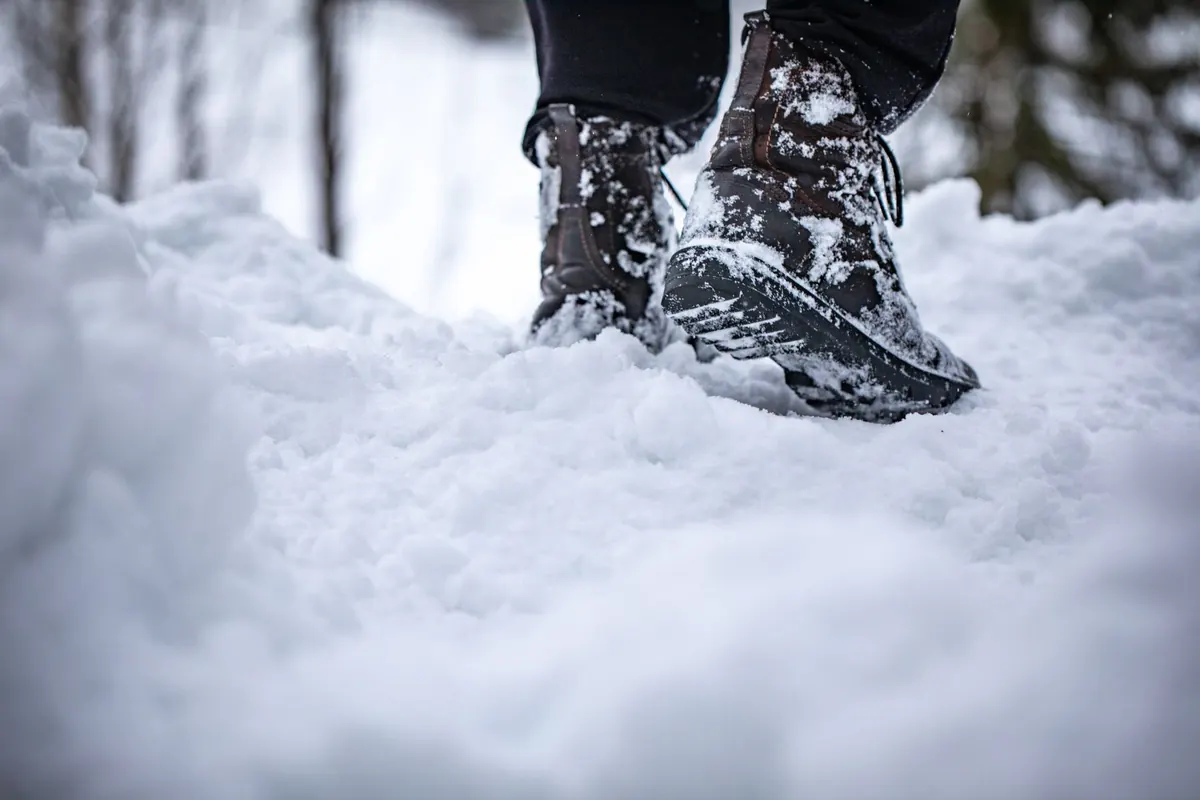
The first properly cold morning of the year, you pull on the wellies that have been fine since October and within ten minutes your toes ache. Nothing has changed about the boots. What changed is the ground, the air, and the fact that rubber has no interest in keeping you warm. Wellies are built to keep water out, and that same sealed shell holds cold in just as effectively as it holds rain out — unless you give it something to work with.
Why your wellies feel cold in the first place
Rubber and PVC are shells, not insulation. They block wind and water and provide almost nothing else. Heat leaves your feet in two directions: up through the boot shaft, and down through the sole into whatever you're standing on. Stand still on frozen ground for twenty minutes and the ground wins. Add a boot that presses on the top of your foot or squeezes your toes and you slow the circulation that would have warmed them back up.
That's the useful part. Cold feet in wellies are rarely a boot problem — they're a fit-and-layering problem, and both are fixable before the next frost.
Give your toes room: sizing for circulation
A wellington that fits like a glove in a warm shop will be a foot-ache by a cold field. Squeezed toes can't move, and moving toes is how feet warm themselves. You want enough space to curl your toes without hitting the end, and a thumb's width behind your heel.
- Size up, then fill the gap. Half a size above your normal shoe size is a reasonable starting point if you'll wear thick socks all winter.
- Try boots on with winter socks, not the thin pair you happen to be wearing. Trying them on at the end of the day, when feet are slightly larger, gives a truer fit.
- Watch the instep and calf. A boot can be roomy at the toe and still pinch across the top of the foot or cut into the calf, which is where a lot of the warmth gets lost.
- Add a felt or wool insole. This is the single cheapest upgrade. It lifts your foot off the cold sole and stops the ground pulling heat straight out of you.
- Don't fix a too-big boot with a second pair of socks. Fix it with a thicker sock and an insole, so your foot stays put instead of sliding and rubbing.
Liners are the insulation wellies don't have
A liner is the layer that actually traps warmth, and the choice matters more than the boot brand. Removable liners have one big advantage: you can pull them out to dry, which is what stops a boot going sour and cold from the inside.
What to look for
- Neoprene (around 3–5mm): the warmest common option, ideal if you're standing about in a wet field or on a cold yard. Warmer feet, but sweatier on a long walk.
- Fleece: light, inexpensive and quick to dry. Good for moderate cold and active walking, less so for standing still in a hard frost.
- Wool or sheepskin: warm even when slightly damp and comfortable over long days, but slower to dry and usually pricier.
- Built-in versus removable: built-in liners are convenient and less likely to bunch up. Removable ones dry faster and let you swap a summer liner back in when the weather turns.
Socks: one good pair beats two thick ones
Two pairs of socks sounds warmer and usually isn't. Both get compressed, the loft that traps air collapses, and your boot gets tighter — which is the opposite of what circulation wants. Wear one pair of wool, merino or a wool-synthetic blend. Wool keeps working when it's damp; cotton soaks up sweat, goes cold and stays cold.
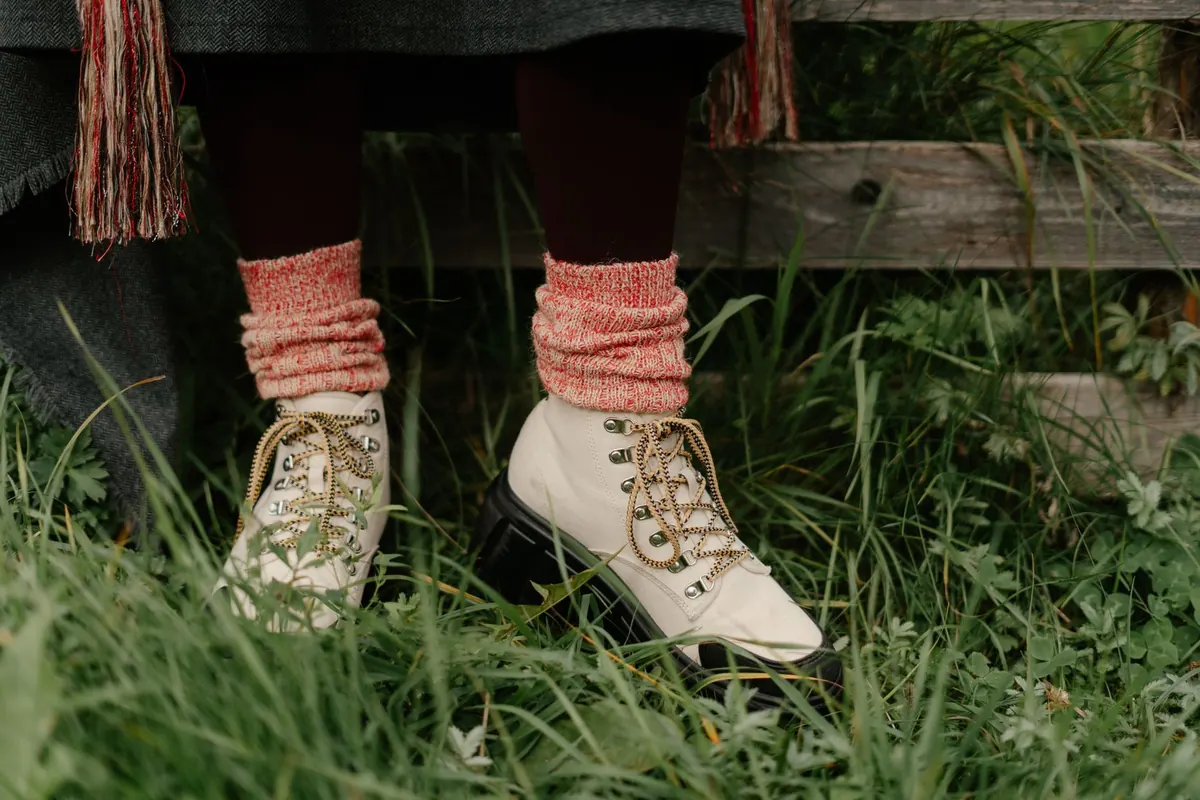
Choose a sock that comes up over the boot top or at least to mid-calf, so there's no bare strip of skin between sock and rubber. Check that the sock isn't sliding down and bunching under your arch, which is a reliable way to end up with a sore foot by lunchtime. If you're out in serious cold for hours, a thin silk or synthetic liner sock underneath the wool one adds warmth without adding bulk.
And don't start the day in socks you've already worn. Damp feet go cold far faster than dry ones.
The nightly drying routine that stops ice blocks
Most frozen-boot mornings are caused the night before. Boots left in a cold porch, shed or car stay damp inside, and by morning the whole thing is a rigid shell you have to force your feet into. Ten minutes of habit fixes it.
- Pull out the liners and insoles and let them air separately. They dry much faster outside the boot.
- Tip the boots upside down, or stand them so air can travel down the shaft. Fold or roll the tops down if they're tall.
- If the inside is properly wet, push crumpled newspaper in for an hour to draw out the worst of it, then remove it. Leave newspaper in overnight and it just holds the damp against the lining.
- Store them indoors, in a room that stays above freezing, but away from radiators, stoves and hot pipes. Strong heat dries rubber out and can warp or crack it.
- Never tumble dry wellies, never sit them on a radiator, and skip the hairdryer on a high setting. A gentle boot dryer made for the job is fine.
If you wear wellies daily, two pairs in rotation is worth the shelf space. Each pair gets a full day to dry, and you never start a morning in yesterday's damp boots.
Small habits that make a cold morning easier
- Bring tomorrow's boots indoors the night before so they start at room temperature rather than at minus three.
- Warm your feet before you go out. Cold feet at the door tend to stay cold once the circulation slows.
- Keep moving where you can. Standing still on frozen ground is the coldest thing you can do, and it's exactly when a neoprene liner, a felt insole and a wool sock earn their keep.
- Check the fit at the calf as well as the toe — a tight shaft restricts blood flow just as effectively as a tight toe box.
If your toes go white, numb or painful and don't recover quickly once you're warm again, that's worth mentioning to a pharmacist or GP rather than pushing through it. The same goes if you have diabetes or a circulation condition — cold feet deserve a proper conversation with a professional, not just thicker socks.
Build your winter setup once, then forget about it
The combination that works is straightforward: half a size of extra room, a wool or wool-blend sock, a felt insole under your foot, a removable fleece or neoprene liner inside the boot, and a pair of wellies that spends the night indoors instead of in a freezing porch. Sort those five things now, before the hard frosts arrive, and winter wellies stop being something you endure and go back to being what they should be — boots you simply put on and forget about.
Photo: iddea photo / Pexels